Donate Land to Charity: Turn Vacant Land into Purpose
Donating land is a powerful way to turn unused acreage into lasting community impact. Whether you own a vacant lot, farmland, or undeveloped parcel, a real estate donation can relieve you of holding costs while funding programs that matter.
What Types of Land Can You Donate?
Almost any type of real estate may be a candidate for donation, including
Vacant Residential Land
Empty residential lots are among the most common forms of land donation. Whether the land is buildable or undeveloped, a vacant land donation can support affordable housing projects, community development, or be sold to fund charitable programs. Donating vacant land eliminates ongoing tax obligations and maintenance concerns.
Agricultural and Farm Land
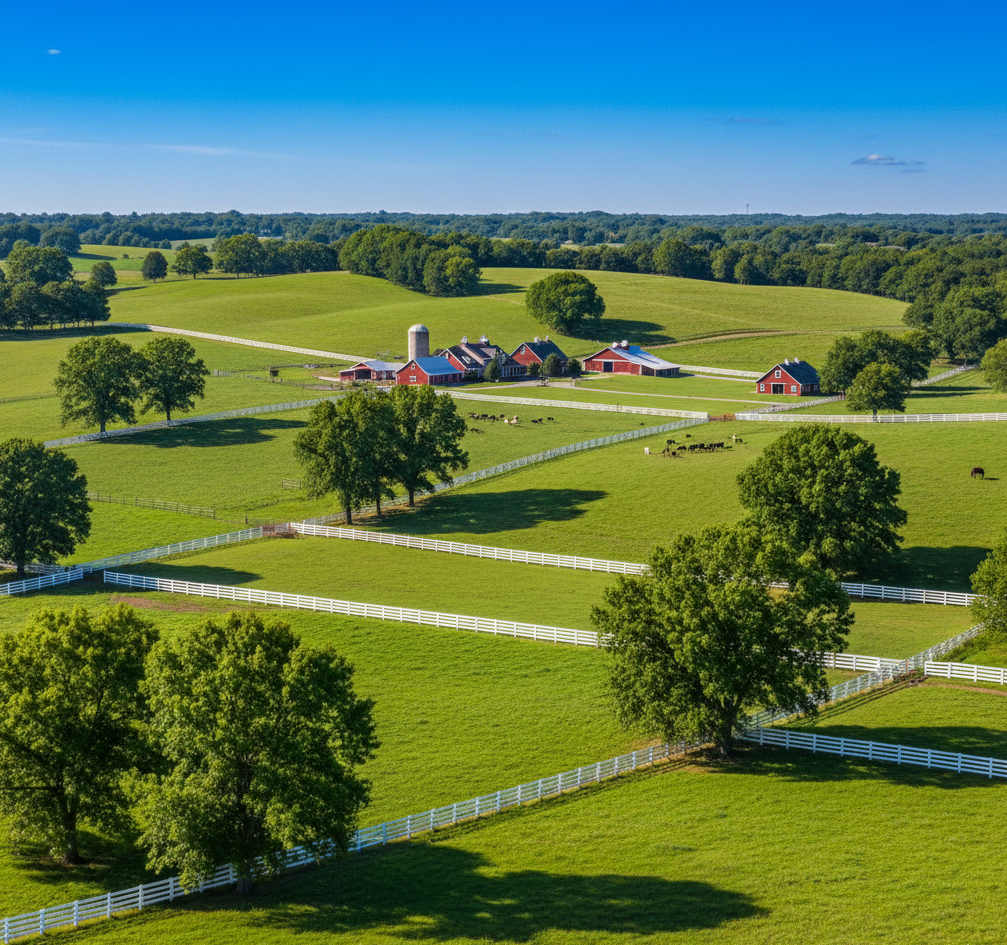
Farmland and agricultural acreage are excellent candidates for real estate donation. These properties may be preserved for agricultural use, conservation purposes, or sold to generate funding for food security, housing, or community initiatives. Donating farm land can also provide meaningful tax advantages while honoring the land’s long-term value.
Undeveloped or Rural Land
Rural parcels, wooded acreage, and undeveloped tracts often sit unused while still generating tax bills. Donating this type of property allows charities to conserve natural spaces, create community resources, or convert the land into financial support for their mission.
Inherited Houses
Inherited land can come with unexpected costs, legal responsibilities, and long-term management challenges. Choosing to donate real estate to charity offers a respectful and stress-free solution, helping donors avoid property taxes and upkeep while turning the inherited asset into positive impact.
Land With Limited Market Demand
Some properties are difficult to sell due to zoning restrictions, location, or development limitations. A property donation allows donors to bypass lengthy sales efforts while enabling charities to repurpose or sell the land in a way that supports their programs.
Investment Land You No Longer Need
Vacant lots or land held for future development can be donated when plans change. Donating investment land simplifies your portfolio, reduces carrying costs, and supports charitable work through a meaningful real estate donation.
Each land donation has unique zoning, environmental, and valuation considerations. Charities experienced in property donation and vacant land donation can guide you through the process and help determine the best use of your gift.
How Your Donation Helps
- Provide affordable or transitional housing for individuals and families in need
- Fund education, health, and essential social services within local communities
- Support the rehabilitation of safe, livable housing
- Expand housing-related programs in underserved areas
Is Donating Better Than Selling?
Whether donating property or selling is the right choice depends on market conditions, tax considerations, ongoing ownership costs, and your long-term financial and charitable goals. Consulting with a qualified financial or tax advisor can help you determine the option that best aligns with your needs.
Common Questions from Prospective Donors
There are several reasons property owners choose to donate a house to charity:
Can anyone donate their land?
Yes — most property owners can donate real estate, provided title is clear and the property meets the charity’s criteria.
What if my land is out of state or overseas?
Some nonprofits accept national or international gifts. Confirm geographic acceptance and local legal/tax implications before moving forward.
Do I pay closing costs?
Practices vary. Some charities cover appraisals and title work; others ask donors to pay certain fees. Confirm upfront.
Is a vacant land donation used efficiently?
Reputable nonprofits have clear plans — conservation, community projects, or sale to fund services. Ask for examples and how proceeds are used.